

 GIRIRAJ CIVIL DEVELOPERS LTD NSE
-
By @GirirajCivilDev
-
October 12, 2026
- 0 Comment
Post-Monsoon Railway Infrastructure Inspection Checklist for Civil Contractors
Once the rain stops and the ground dries, issues often become visible. For example, a culvert that seemed clear in June might now be partially blocked with silt. An embankment slope that survived July could have a hidden crack along its top edge. If you manage railway civil projects in India, a thorough inspection after the monsoon is one of the most useful steps you can take before work ramps up. This check reveals the effects of the water, what requires immediate repair, and what can wait a few weeks.
1. Start With Embankments and Cuttings
Water is the biggest enemy of the formation. Heavy rain softens soil, washes out slopes and leaves weak spots you can’t see from a distance. Walk the full length slowly, and do both sides if you can.
What to look for:
- Cracks along the top of the embankment or near the shoulder
- Erosion, gullies and rain cuts on the slopes
- Dips or settlement under the track
- Loose soil or slips in cuttings
- Ballast shoulders that got washed away
Quick tip: mark every crack with paint and write the date next to it. Check again after a week. If it has grown, it needs attention right away.
2. Check Every Drain, Culvert and Waterway
Most monsoon damage comes down to water that had nowhere to go. By October, drains are usually packed with silt, plastic, weeds and loose stone, and nobody notices until the next heavy shower.
Inspection points:
- Side drains and catch water drains clear of silt
- Culvert openings free from blockage
- Water ponding near the track
- Damaged outlets, headwalls and wing walls
- Scour or undercutting at culvert inlets and outlets
Clear the small blockages the same day. It takes a couple of labourers and a few hours, and it saves you a much bigger repair later.
3. Bridges: Foundations, Piers and Approaches
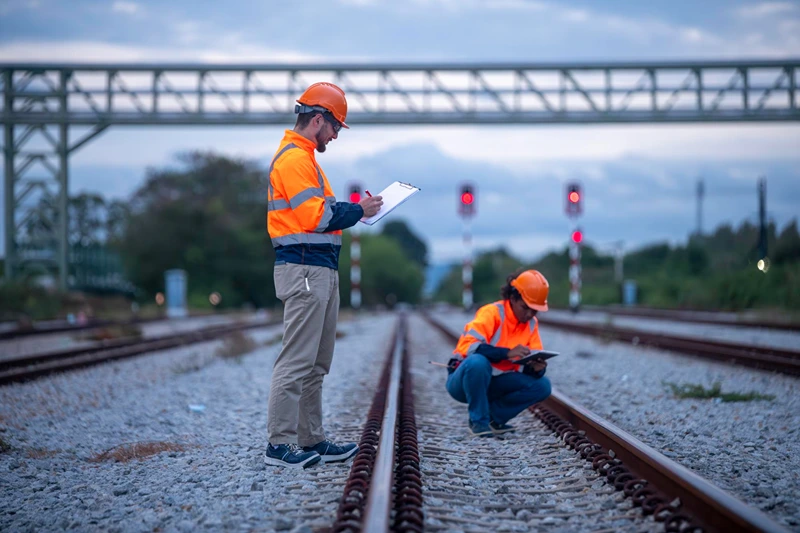
Once the water level drops, you can finally see what the river did around your bridge foundations. This is the best window to inspect, so don’t let it pass.
Keep an eye out for:
- Scour around pier and abutment foundations
- Damage to pitching, aprons and other protection works
- Debris stuck against piers or between spans
- Cracks in piers, abutments and wing walls
- Bearings and expansion gaps that look off
- Approach embankments settling next to the abutment
If you find anything structural, report it to the railway engineer in charge. Don’t try to fix it on your own.
4. Track and Formation Condition
If your scope includes track laying, fitting or yard work, check what the rain did to the track bed. A track that looks straight can still be sitting on soft ground.
Checklist for track works:
- Ballast depth, and whether it is fouled with mud
- Alignment, level and gauge at suspect spots
- Cracked or shifted sleepers
- Loose or missing fastenings
- Waterlogged patches and signs of mud pumping
All of this has to be done with proper permission and traffic block. We’ll come back to that in the safety section.
5. Station Buildings, ROBs and FOBs
Buildings and bridges above the track take a beating too. Leaks show up first, then dampness, then the bigger cracks. Catch them early and the repair stays small.
What to check:
- Roof leakage, damp patches and seepage on walls
- Cracks in plaster, slabs and beams
- Rust on FOB steel, handrails and bolts
- Platform drainage and standing water
- Expansion joints and bearings on ROBs
- Potholes and waterproofing damage on ROB approaches
6. Site Safety, Materials and Equipment
Your own site needs a post-monsoon check as much as the railway asset does. Wet weather leaves a mess behind, and a lot of accidents happen in the first few weeks after the rains.
Go through these:
- Cement stock for moisture and lumps
- Steel for rust, and aggregate stockpiles for wash-out
- Scaffolding and shuttering, especially where the soil around the supports has softened
- Machines, cables and DG sets for water damage
- Temporary roads and site access
- PPE condition and track safety permissions before anyone goes near a live line
7. Document Everything and Report Early
An inspection without records is just a walk. Take dated photos with the chainage or location noted, and keep a simple log. Then sort every issue into three groups.
- Fix now: anything that affects safety or could get worse quickly
- Fix soon: damage that is stable but needs repair in the coming weeks
- Keep watching: small cracks, minor erosion, anything you want to recheck
Share the log with the railway authorities early. Nobody likes surprises, and a clear record also protects you if questions come up later.

Why This Checklist Matters to You
A proper post-monsoon inspection directly affects:
- Safety of your workers and the running line
- Repair cost, since small fixes stay small
- Project timeline and fewer stoppages
- Your working relationship with the railway team
None of it is complicated. It just needs someone to actually do it, every year, before the next job begins.
Building Safe Railway Infrastructure with Giriraj
At Giriraj, inspections like these are part of how we work, whether it’s a railway bridge, a station building, earthworks or track. We’d rather find a problem in October than explain it in July.
If you’re planning railway or civil work and want a team that takes the details seriously, we’d be glad to talk.