

 GIRIRAJ CIVIL DEVELOPERS LTD NSE
-
By @GirirajCivilDev
-
July 22, 2026
- 0 Comment
Hydrogen Trains Are Coming to India: What It Means for Railway Civil Infrastructure
Hydrogen trains are no longer a future concept for Indian Railways. On July 17, the country’s first hydrogen fuel cell train was flagged off on the Jind-Sonipat route in Haryana, marking a major step in clean rail transportation. As this technology moves from pilot to practice, it brings a new set of demands for railway civil infrastructure.
The pilot train is a 10-coach set built at the Integral Coach Factory in Chennai, powered by a 1,200-kilowatt hydrogen fuel cell system, with a passenger capacity of around 2,600. It runs on the 89-km Jind-Sonipat corridor under Northern Railway.
Unlike diesel or electric trains, hydrogen trains require dedicated storage, refuelling, and safety systems built into the railway network itself. Understanding these requirements early helps contractors, engineers, and infrastructure planners prepare for what comes next.
What Is a Hydrogen Train?
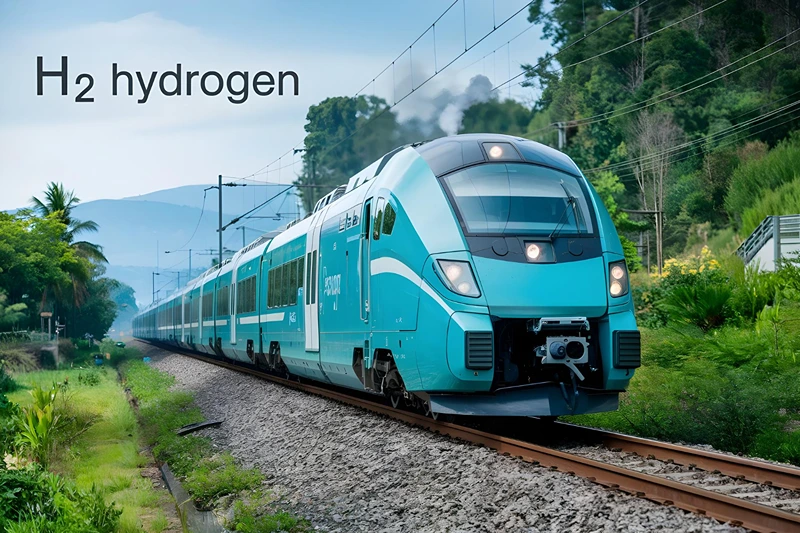
A hydrogen train runs on a fuel cell instead of diesel or overhead electric wires. The fuel cell combines hydrogen with oxygen to generate electricity, releasing only water vapour as a by-product. To operate safely and reliably, this system depends on:
- A steady supply of stored, compressed hydrogen
- Dedicated refuelling infrastructure near depots
- Safety sensors and ventilation systems
- Trained personnel for handling and maintenance
Proper planning of this ground infrastructure is what allows the train itself to run safely on a daily basis.
Why Hydrogen Trains Matter for India
1. Reducing Dependence on Full Electrification
Electrifying every stretch of track, especially hilly or low-traffic routes, is expensive and often impractical. Hydrogen trains offer clean power without requiring overhead wires across the entire network.
2. Supporting India’s Net-Zero Goals
Indian Railways has committed to achieving net-zero carbon emissions. Hydrogen technology gives the network another route to that target without relying solely on electrification.
3. Reaching Routes Traditional Electrification Can’t Justify
Heritage lines and remote branch routes rarely justify the cost of full electrification. Hydrogen trains make clean operations possible on these sections too.
4. Encouraging Indigenous Manufacturing
The Jind-Sonipat train was developed largely within India, in line with the Atmanirbhar Bharat push for domestic technology. This creates room for Indian manufacturers and suppliers to build capability in a technology still new to the world.
5. Building Experience Before Wider Rollout
The Jind-Sonipat pilot allows Indian Railways to test hydrogen storage, refuelling, and safety systems under real operating conditions before expanding the technology further.
Diesel vs Electric vs Hydrogen: A Quick Comparison
Each traction system brings a different set of civil infrastructure demands. Here’s how they stack up:
|
Aspect |
Diesel |
Electric |
Hydrogen |
|
Ground infrastructure |
Fuel depots, tankers |
Overhead wires, substations |
Storage, compression, refuelling plant |
|
Capex to deploy |
Low |
High (wiring per km) |
High (new depot systems, no wiring) |
|
Emissions |
High (direct) |
Zero at point of use |
Zero (water vapour only) |
|
Best suited for |
Any route |
High-traffic corridors |
Hilly, remote, heritage routes |
|
Refuelling/recharge time |
Minutes |
Continuous (via wire) |
Similar to diesel refuelling |
The Civil Infrastructure This Requires
Running hydrogen trains safely depends on infrastructure that does not exist on most of the current network. Civil teams need to plan for:
- Hydrogen storage and refuelling facilities near key depots
- Compression systems with standby units for reliability
- Ventilation and gas-detection systems built into depot design
- Fire safety zones wider than those required for diesel sheds
- Safety buffer zones and emergency access near stations
These elements form the foundation that makes hydrogen train operations viable and safe over the long term.
Depot and Yard Design
Depot Changes: Civil Checklist
The Jind facility includes a dedicated hydrogen storage and refuelling plant with a 3,000 kg capacity, cleared by the Petroleum and Explosives Safety Organisation. A hydrogen-ready depot generally needs:
- Reinforced foundations and bunding for storage tanks
- Minimum separation distances from other depot structures
- PESO-cleared storage and dispensing systems
- Standby compression units for uninterrupted refuelling
- Fire-rated walls and gas-detection sensors at storage points
Yard Zoning Requirements
Railway yards also need dedicated zones for hydrogen handling, kept separate from general operations. Key requirements include:
- Dedicated hydrogen handling zones separate from general yard traffic
- Reinforced flooring in high-load storage areas
- Access roads designed for hydrogen tanker deliveries
- Clear signage and restricted-entry protocols
- Emergency shutoff and venting systems at zone boundaries
A Hydrogen-Ready Depot Layout
A simplified view of how a hydrogen-ready depot separates high-risk zones from standard operations:
|
Access Road & Delivery Bay |
Hydrogen Storage & Compression (PESO-cleared) |
|
Standard Depot Operations (diesel/electric bays) |
Refuelling Bay & Ventilation Buffer Zone |
|
Staff & Administrative Area |
Emergency Access & Fire Safety Zone |
Challenges to Address
Operational Challenges
- Scaling green hydrogen production beyond a single electrolysis plant
- Maintaining consistent hydrogen supply as more routes come online
- Training personnel across the network in hydrogen-specific safety protocols
Cost and Supply Risks
- Higher upfront capex compared to diesel or electrified routes
- Limited existing Indian codes and standards for hydrogen rail infrastructure
- Dependency on centralised hydrogen production until more plants are built
Key Considerations for Contractors and Engineers
Delivering hydrogen-ready railway infrastructure calls for specific expertise. Contractors and engineers involved in this work need to focus on:
- Understanding hydrogen storage and handling safety codes
- Coordinating with regulatory bodies such as PESO for clearances
- Designing depots and yards with proper separation distances
- Building a safety-first culture on site
- Applying experience from traditional railway civil work to new safety requirements
Railroad engineers, civil works contractors, and railway station construction contractors are well positioned to take on this work, given their existing experience within live railway environments.
Giriraj Is Gearing Up for Hydrogen
At Giriraj Civil Developers Limited (GIRIRAJ), we are preparing for this shift rather than watching it from the sidelines. Years of experience delivering railway station buildings, road over bridges (ROB), foot over bridges (FOB), car sheds, yards, and earthworks have given us a strong foundation in railway civil construction.
As hydrogen rail technology scales across India, GIRIRAJ is building the capability to take on depot, storage, and yard infrastructure for this next generation of trains, with the same commitment to safety, quality, and reliability that defines every project we deliver.