

 GIRIRAJ CIVIL DEVELOPERS LTD NSE
-
By @GirirajCivilDev
-
March 10, 2026
- 0 Comment
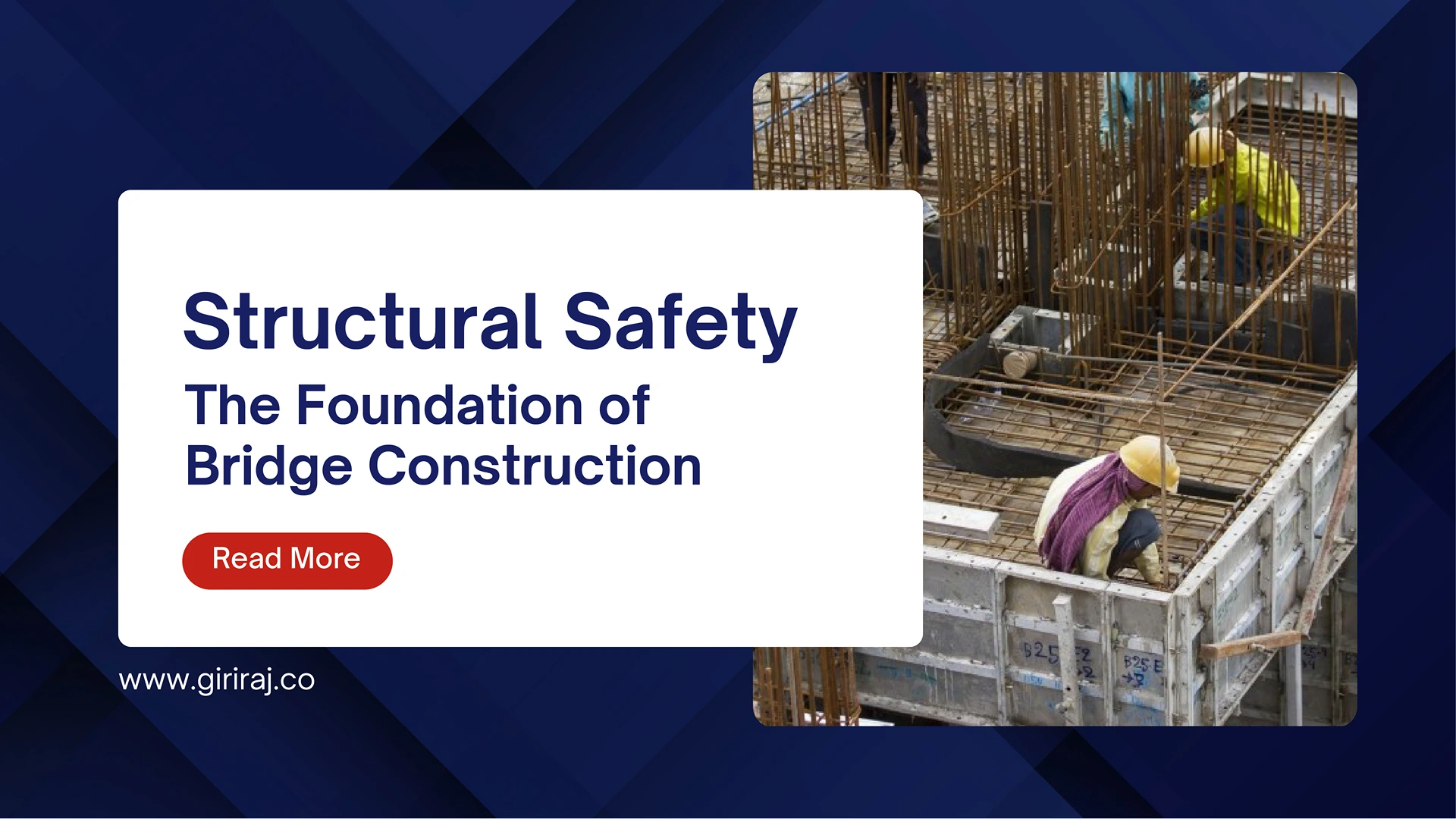
Why Structural Safety Is Critical in Bridge Construction
Bridges play a vital role in connecting cities, supporting transportation, and strengthening infrastructure. Every day, thousands of vehicles and people depend on bridges to travel safely. Because of this constant use, structural safety in bridge construction becomes extremely important.
Structural safety ensures that a bridge can handle heavy traffic loads, environmental conditions, and long-term wear and tear without risk of failure. A well-designed and properly constructed bridge protects lives, supports economic activity, and ensures smooth transportation for many years.
What Is Structural Safety?
Structural safety means designing and building a bridge in a way that it remains stable, strong, and reliable throughout its lifespan. Engineers carefully plan every part of the structure so it can withstand:
- Heavy vehicle loads
- Strong winds and environmental pressure
- Floods and water flow
- Earthquakes and vibrations
- Temperature changes
Proper engineering and quality construction help ensure that the bridge remains safe for daily use.
Why Structural Safety Matters in Bridge Construction
1. Protecting Public Safety
The primary goal of structural safety is to protect human lives. A structurally sound bridge reduces the risk of accidents, structural damage, or collapse.
2. Supporting Heavy Traffic
Modern bridges must carry continuous traffic, including heavy trucks and commercial vehicles. Strong structural design ensures the bridge can handle high load capacity without weakening over time.
3. Resistance to Natural Forces
Bridges face environmental challenges such as floods, storms, and earthquakes. Proper structural engineering helps bridges remain stable even under extreme conditions.
4. Longer Infrastructure Life
When bridges are built with proper safety standards and quality materials, they can last 50 years or more, reducing the need for frequent repairs and maintenance.
5. Reducing Future Repair Costs
Ignoring structural safety can lead to cracks, damage, or structural failure. Strong engineering and quality control help avoid costly repairs and ensure long-term reliability.
Key Elements That Ensure Structural Safety
Several important factors help maintain structural safety in bridge construction:
- Accurate engineering design and structural analysis
- Strong foundation and soil testing before construction
- High-quality materials like reinforced concrete and structural steel
- Strict quality control during construction
- Regular inspections and maintenance
These steps ensure that bridges remain safe, durable, and capable of handling increasing transportation demands.
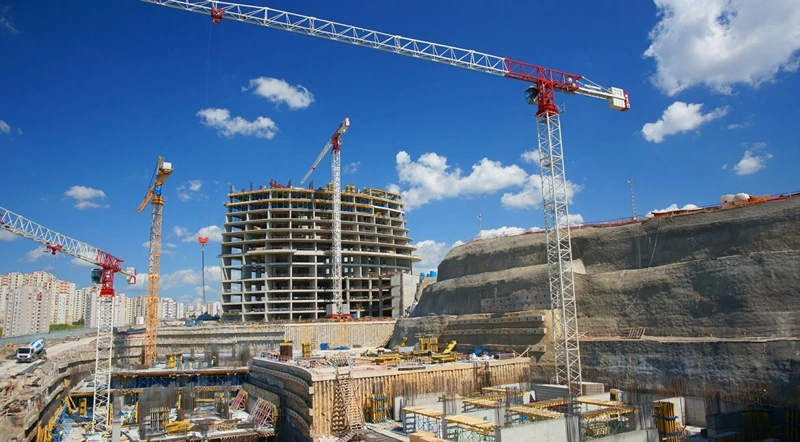
Building Safe and Reliable Bridges
At Giriraj Civil Developers Limited (GIRIRAJ), structural safety is a top priority in every infrastructure project. With expertise in civil engineering, bridge construction, and large-scale infrastructure development, GIRIRAJ focuses on delivering projects that combine engineering excellence, durability, and safety.
By using advanced construction practices and maintaining strict quality standards, GIRIRAJ is committed to building strong, reliable, and future-ready infrastructure.