

 GIRIRAJ CIVIL DEVELOPERS LTD NSE
-
By @GirirajCivilDev
-
November 25, 2025
- 0 Comment
Future of Construction in India – Why Mid-Rise Projects Need BIM Technology in 2026
Simple. Smart. Future-ready Construction.
India is building faster than ever — especially mid-rise buildings (G+4 to G+10). These structures fill our cities with homes, offices, hospitals, student accommodation, and commercial complexes.
But fast construction often comes with challenges:
- Design errors
- Material wastage
- Rework on-site
- Budget overruns
- Delays in approvals
This is where Building Information Modeling (BIM) is changing the game. We at Giriraj Civil Developers Limited, believe technology should make construction easier, efficient, and more affordable. BIM is helping us deliver projects with better quality, zero clashes, and faster results for our clients.
What is BIM? (Explained in Simple Terms)
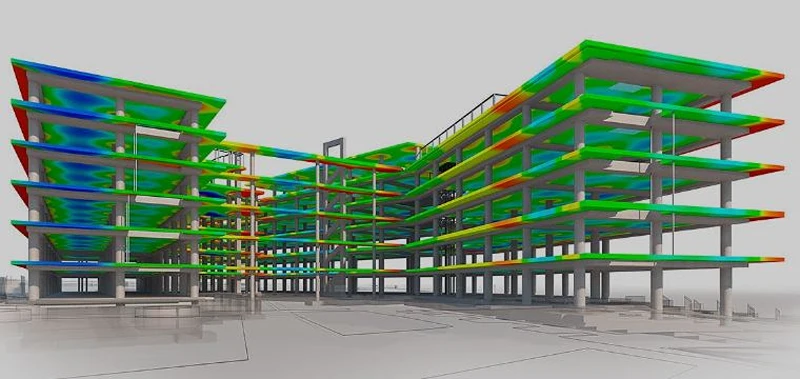
BIM stands for Building Information Modeling — a smart 3D model that includes everything about a building:
- Architecture
- Structure
- MEP (Mechanical, Electrical, Plumbing)
- Quantity & cost details
- Construction planning
- Safety & maintenance data
It’s like creating the entire project digitally before building it physically.
One model → Everyone works together → Zero confusion
How BIM Helps Mid-Rise Construction in India
1. Faster Design Approvals
What it is: A blend of limestone, calcined clay, and a small portion of clinker that reduces CO₂ emissions by up to 40%.
Benefits:
- Uses locally abundant materials in India.
- Strong and durable like conventional cement.
- Cuts carbon footprint significantly.
Applications: Ready-mix concrete, precast elements, and large-scale urban projects.
2. Zero Clash Construction
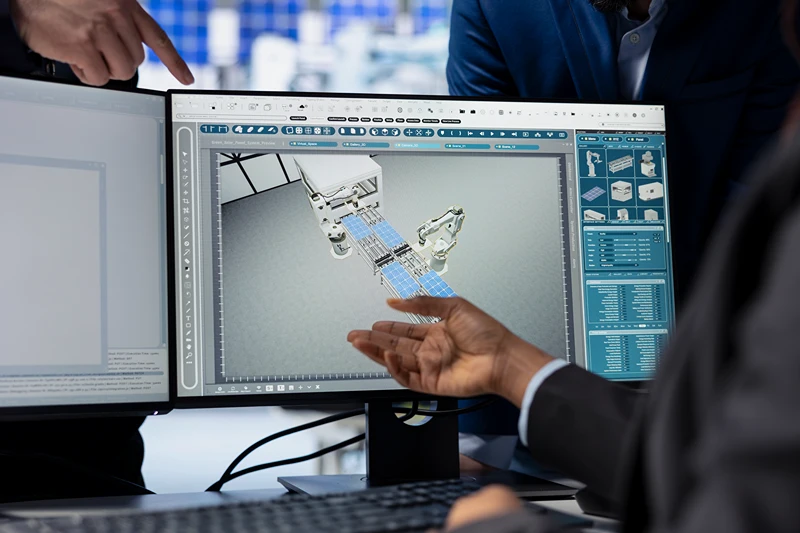
Typical clashes in mid-rise buildings include:
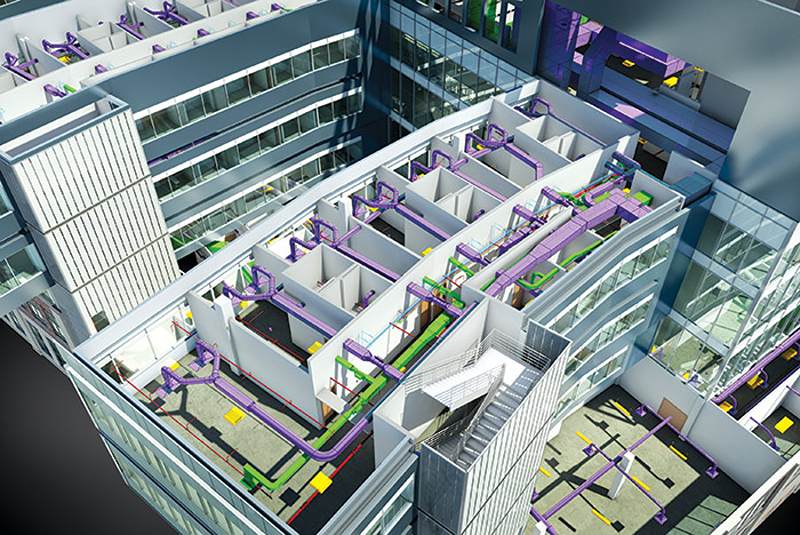
- Pipes vs beams
- Ducts vs reinforcement
- Electrical vs structural walls
BIM detects these issues in 3D before construction starts.
⟶ Saves 5–10% of total project cost
3. Accurate Quantity Estimation
BIM gives exact quantities of:
- Concrete
- Steel
- Brickwork
- Flooring
- MEP materials
No guesswork. No wastage.
⟶ BOQ accuracy improves to 95–98%
4. Faster and Smoother Construction (4D BIM)
BIM links 3D modeling with timelines to:
- Visualize floor-by-floor construction
- Predict delays early
- Improve site coordination
⟶ Projects finish 10–15% faster
5. Better Budget Control (5D BIM)
Live cost monitoring helps:
- Avoid overruns
- Compare material options
- Improve ROI for developers
⟶ 5–7% savings on total project cost
6. Strong Collaboration
Everyone — from architect to site engineer — works together in a shared cloud system.
⟶ 50–70% faster communication
7. Better Safety & Quality
BIM helps in:
- Identifying risky zones
- Planning safe access
- Creating accurate reinforcement details
- Ensuring design is followed exactly on-site
⟶ Fewer accidents & excellent finishing quality
8. Future-ready Building Maintenance (7D BIM)
Facility teams can track:
- Repairs and maintenance
- Electrical & HVAC systems
- Asset lifecycle
- Energy savings
Developers using BIM gain a strong market advantage.
Real Projects Where BIM Works in India
Mid-rise buildings using BIM successfully include:
- Residential towers – Faster approvals & quality finish
- Commercial buildings – Complex MEP handled smoothly
- Hospitals – Critical services clash-free
- Hotels & PG buildings – Cost efficiency & space optimization
- Institutional buildings – Flexible planning
BIM ensures better performance from Day 1.
Challenges of BIM in India (Still Evolving)
- Limited trained manpower
- Higher initial investment
- Many still prefer old 2D drawings
- Awareness gap among smaller builders
But as leading construction companies like Giriraj adopt BIM, the industry is quickly shifting to digital execution.
Future of BIM in India
By 2030, BIM is expected to become compulsory for all major public projects.
Developers are choosing BIM because it:
- Reduces delays
- Saves construction cost
- Increases speed
- Improves safety & quality
Mid-rise buildings will benefit the most, and Giriraj is proud to be driving this transformation forward.
Conclusion
BIM is not just software — it is a smarter way of building.
At Giriraj Civil Developers Limited, we use BIM to:
- Deliver projects faster
- Reduce rework & material wastage
- Provide accurate budgets
- Improve quality & client satisfaction
- Build safer and sustainable structures
The future of construction in India is digital — and the future is already here.
Frequently Asked Questions (FAQs)
1. What is BIM in construction?
A digital 3D model that combines architectural, structural, and MEP data for better planning and execution.
2. Why is BIM important for mid-rise buildings?
It reduces rework, speeds up approvals, controls cost, and ensures high-quality construction.
3. Can BIM reduce project cost?
Yes, BIM helps avoid costly clashes and waste — saving 5–10% overall.
4. Which software is commonly used in India?
Autodesk Revit, BIM 360, Navisworks, Tekla, ArchiCAD.
5. Does BIM help after handover?
Yes. 7D BIM supports maintenance, asset tracking, and energy efficiency.