

 GIRIRAJ CIVIL DEVELOPERS LTD NSE
-
By @GirirajCivilDev
-
November 20, 2025
- 0 Comment
Sustainable Building Materials Shaping Indian Construction in 2025
The Indian construction industry is evolving faster than ever. In 2025, builders, architects, and engineers are increasingly focusing on sustainability, energy efficiency, and long-term cost savings. This shift has sparked the rise of innovative building materials that are transforming how we construct homes, offices, and infrastructure.
We at GIRIRAJ CIVIL DEVELOPERS, believe understanding these materials is essential for anyone planning modern, eco-friendly, and high-performing construction projects. Here’s a detailed look at the latest building materials in India in 2025 and why they are shaping the future of construction.
Why 2025 Is a Turning Point for Building Materials
Modern construction isn’t just about strength and durability anymore. Today’s materials aim to:
Reduce Carbon Footprint: Ordinary cement and concrete produce about 8% of global CO₂ emissions. Green alternatives are essential.
Enhance Performance: New materials are stronger, lighter, and more durable, increasing building lifespan.
Comply with Updated Codes: Indian and international building codes now allow innovative materials like mass timber and FRP reinforcement.
Save Costs: While some green materials are slightly pricier upfront, they often reduce lifecycle costs.
Top Sustainable Materials Transforming Construction in 2025
1. LC³ (Limestone–Calcined Clay Cement)
What it is: A blend of limestone, calcined clay, and a small portion of clinker that reduces CO₂ emissions by up to 40%.
Benefits:
- Uses locally abundant materials in India.
- Strong and durable like conventional cement.
- Cuts carbon footprint significantly.
Applications: Ready-mix concrete, precast elements, and large-scale urban projects.
2. CO₂-Mineralized Concrete
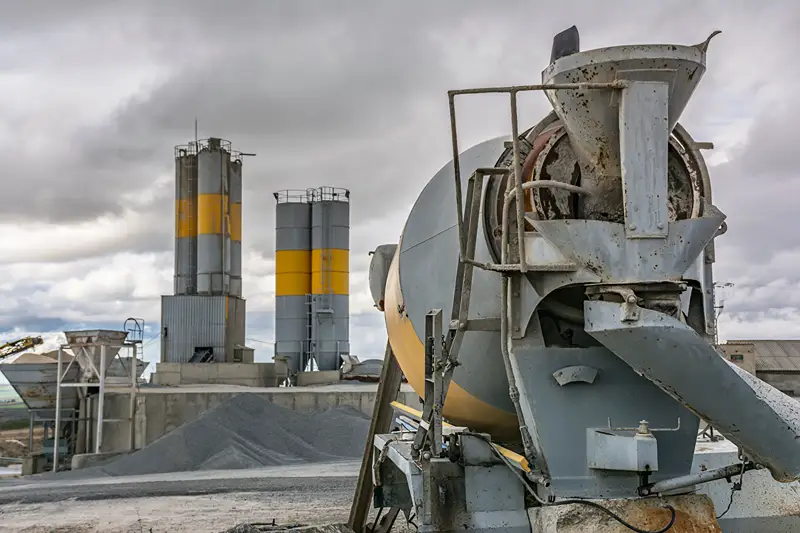
How it works: CO₂ is injected into fresh concrete, reacting to form stable carbonates. This stores carbon permanently while strengthening the concrete.
Benefits:
- Eco-friendly and stronger concrete.
- Helps meet India’s emerging carbon-reduction targets.
Applications: Slabs, precast units, and urban ready-mix projects.
3. Geopolymer Concrete (GPC)
What it is: Made from fly ash, slag, or calcined clay, GPC offers high chemical and heat resistance.
Benefits:
- Low-carbon alternative to traditional cement.
- Excellent durability in harsh environments.
Applications: Industrial floors, marine works, and precast products.
4. Mass Timber (CLT / GLT / LVL)
What’s new: International and Indian codes now allow timber buildings up to 12–18 storeys.
Benefits:
- Stores carbon instead of emitting it.
- Lightweight, quick, and clean construction.
- Modern hybrid designs combine timber and steel for efficiency.
Applications: Residential, commercial, and mid-rise buildings.
5. Graphene-Enhanced Concrete
What it is: Nano-scale graphene additives boost concrete strength while reducing cement use.
Benefits:
- High-performance slabs and overlays.
- Early projects show remarkable strength (up to 78 MPa).
Applications: Experimental structures and premium concrete projects.
6. Non-Metallic Rebar (GFRP & Basalt FRP)
Why it matters: Non-corrosive and lightweight, ideal for marine and coastal projects.
Benefits:
- Long-lasting, corrosion-free reinforcement.
- Reduces maintenance costs significantly.
Applications: Bridges, coastal buildings, wastewater plants.
7. Super-Insulation: Aerogels & Vacuum-Insulated Panels (VIPs)
Why it matters: Non-corrosive and lightweight, ideal for marine and coastal projects.
Benefits:
- Long-lasting, corrosion-free reinforcement.
- Reduces maintenance costs significantly.
8. Phase-Change Materials (PCMs)
What they do: Absorb and release heat to maintain comfortable indoor temperatures.
Benefits:
- Reduces HVAC energy use.
- Improves indoor comfort naturally.
Applications: Roofs, ceilings, plasterboards, and glazing.
9. Hemp-Lime (Hempcrete)
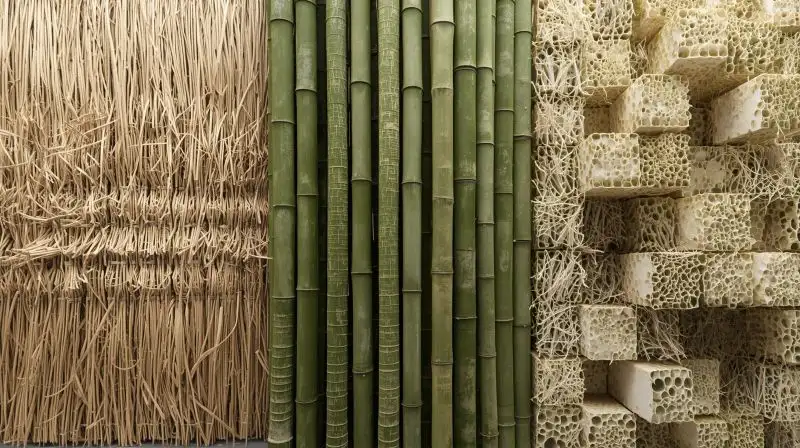
Eco-friendly solution: Recognized under Indian building codes for low-rise structures.
Benefits:
- Carbon-negative and breathable.
- Excellent insulation and moisture regulation.
Applications: Walls and infill in framed buildings.
10. Mycelium & Other Biomaterials
Next-gen interiors: Fully biodegradable and excellent for acoustic and thermal insulation.
Applications: Acoustic panels, partitions, and eco-friendly interiors.
11. Recycled Plastic in Concrete
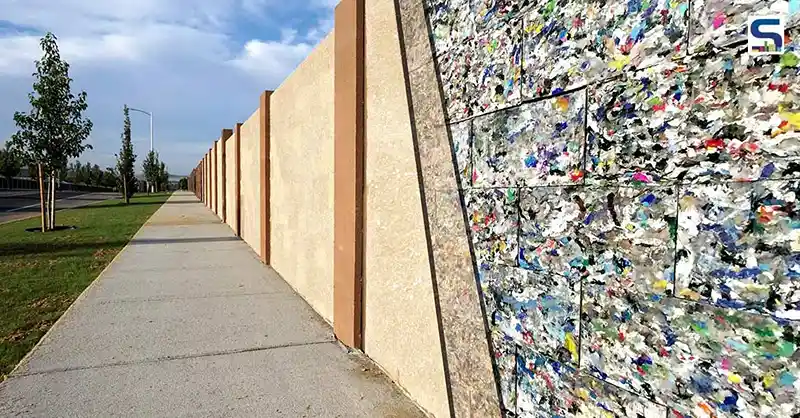
Why it’s gaining popularity: Reduces plastic waste and improves toughness in non-structural elements.
Applications: Paving blocks, kerbs, and flooring screeds.
Choosing the Right Material for Your Project
- Carbon Reduction Goal ≥30%: Use LC³ or CO₂-mineralized concrete.
- Marine/Coastal Environment: Replace steel with FRP/Basalt rebar.
- Space-Limited Walls: Use aerogels or VIPs.
- Thermal Comfort Priority: Add PCMs in ceilings or walls.
- Eco-Friendly Interiors: Hemp-lime and mycelium panels.
- Innovation Pilots: Try graphene or recycled-plastic concrete in non-critical areas.
The Future of Indian Construction
In 2025, the construction landscape in India is embracing sustainable, high-performance, and innovative materials. Mainstream options like LC³ cement, CO₂-mineralized concrete, and FRP rebar are practical today, while mass timber, hemp-lime, and mycelium open doors for eco-conscious pioneers.
We at GIRIRAJ CIVIL DEVELOPERS, are committed to integrating these modern materials to build smarter, greener, and future-ready structures. Choosing the right material today can reduce your carbon footprint, save costs, and create lasting impact for generations.
FAQs: Quick Guide for Builders & Architects
Q1. Most sustainable material in 2025?
LC³ cement, mass timber, hemp-lime, and CO₂-mineralized concrete.
Q2. Is mass timber allowed in high-rises?
Yes, up to 18 storeys in some codes.
Q3. Benefits of FRP rebar?
Corrosion-free, lightweight, and ideal for coastal structures.
Q4. Can hempcrete be load-bearing?
No, it is mainly insulation/infill.
Q5. Are aerogels practical?
Yes, especially for retrofits and thin-wall construction.